


South Africa is the kind of destination that deserves more than a checklist. Yes, there are elephants at Addo. There are spectacular coastlines along the Garden Route, ancient forests in Tsitsikamma, dramatic mountain passes, beautiful beaches, vineyards, wildlife, fascinating communities and some of the world's most extraordinary landscapes. But the real magic of South Africa isn't simply seeing these places. It's how you experience them. And that is where the difference between...
Addo Elephant National Park - A Conservation Success Story in South Africa
Posted on Tue June 9, 2026.
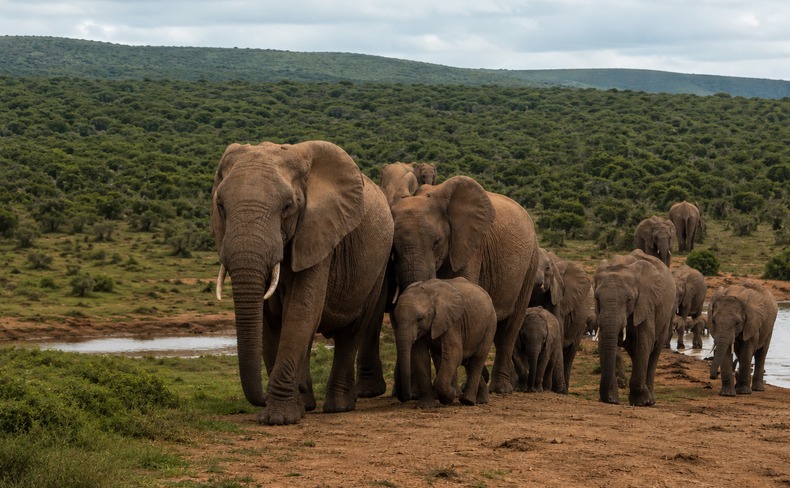
Nestled in the heart of the Eastern Cape, Addo Elephant National Park stands as one of South Africa's greatest conservation success stories. Today, visitors from around the world flock to the park to witness thriving herds of elephants, diverse wildlife, and spectacular landscapes. Yet less than a century ago, the future of the region's elephants hung by a thread.
A Troubled Beginning
During the 19th and early 20th centuries, elephant populations across South Africa faced relentless pressure from hunting and habitat loss. As farming expanded throughout the Sundays River Valley, elephants were increasingly viewed as a threat to crops and livelihoods. Large-scale culling reduced the once-abundant elephant population dramatically.
By 1931, only eleven elephants remained in the Addo area. Recognising the urgent need for protection, the South African government established Addo Elephant National Park on 13 July 1931. The park's primary purpose was simple but critical: save the last remaining elephants from extinction.
The task was not easy. The surviving elephants had become wary of humans after years of persecution, making management and protection difficult. However, conservationists persevered, laying the foundation for what would become one of Africa's most remarkable wildlife recovery stories.
Growth and Expansion
What began as a small sanctuary for eleven elephants has evolved into South Africa's third-largest national park. Over the decades, Addo has expanded significantly, incorporating diverse habitats that range from dense thicket vegetation and grasslands to coastal dunes and marine environments.
Today, the park covers more than 180,000 hectares of terrestrial land and includes protected marine areas extending into the Indian Ocean. This expansion has allowed Addo to protect not only elephants but also a wide variety of species and ecosystems.
One of the park's unique features is that it protects the "Big Seven", elephant, rhino, lion, buffalo, leopard, southern right whale, and great white shark. Few protected areas in the world can offer visitors the opportunity to experience such a diverse range of wildlife within a single conservation area.
The Elephant Recovery
The recovery of Addo's elephant population is nothing short of extraordinary. From the tiny remnant population of eleven individuals in 1931, elephant numbers have grown to well over 600 animals today.
This success was achieved through careful management, habitat protection, anti-poaching efforts, and long-term scientific monitoring. The thriving elephant population has become the symbol of Addo's conservation achievements and demonstrates what can be accomplished when wildlife receives effective protection.
The park's elephants are particularly fascinating because they belong to one of the densest elephant populations in Africa. Visitors regularly enjoy close encounters with these magnificent animals at waterholes and throughout the park's road network.
Protecting Biodiversity
While elephants are undoubtedly the park's flagship species, Addo's conservation importance extends far beyond its famous herds. The park protects one of the world's biodiversity hotspots, the Albany Thicket biome, which contains numerous endemic plant species found nowhere else on Earth.
The park is home to over 400 bird species, numerous reptiles, amphibians, and mammals, including black rhinoceros, Cape buffalo, lion, spotted hyena, and various antelope species. Marine protected areas support whales, dolphins, seabirds, and diverse fish populations.
Conservation programmes within the park focus on ecosystem restoration, invasive species control, habitat management, and scientific research. These initiatives help maintain the delicate balance between wildlife populations and their environment.
Community and Tourism Benefits
Addo Elephant National Park has become a major driver of tourism in the Eastern Cape. The park attracts hundreds of thousands of visitors annually, creating employment opportunities and supporting local businesses throughout the region.
Sustainable tourism has demonstrated that conservation and economic development can work hand in hand. Revenue generated through tourism helps fund conservation initiatives while simultaneously benefiting neighbouring communities.
Educational programmes and community outreach projects have also strengthened public support for conservation, helping ensure that future generations understand the value of protecting South Africa's natural heritage.
Looking to the Future
Despite its remarkable successes, Addo continues to face modern conservation challenges, including climate change, habitat connectivity, and the ongoing need to balance wildlife management with human development.
However, the park's history offers reason for optimism. The recovery from eleven surviving elephants to a thriving ecosystem demonstrates the power of committed conservation action.
Today, Addo Elephant National Park serves as a beacon of hope and a model for wildlife conservation worldwide. Its story reminds us that even species on the brink of extinction can recover when given protection, space, and time.
Conclusion
Addo Elephant National Park is far more than a tourist destination. It is a living testament to the resilience of nature and the effectiveness of long-term conservation efforts. From its humble beginnings as a sanctuary for eleven surviving elephants to its current status as one of Africa's premier wildlife reserves, Addo exemplifies what can be achieved when people commit to protecting the natural world.
For visitors, the sight of elephants gathering peacefully at a waterhole is unforgettable. For conservationists, it is proof that dedicated protection can reverse even the most severe wildlife declines. Addo's success story continues to inspire conservation efforts across South Africa and beyond, ensuring that future generations will be able to experience the wonder of Africa's wildlife in its natural habitat.
Share This Post
Book Directly & Save
Further Reading

South Africa Safaris & Garden Route Tours: Why Small Group Travel Makes All the Difference
Sun September 6, 2026
Read This Article
Where the Wild Things Are: Exploring the Biodiversity of South Africa's Eastern & Western Cape
Wed August 5, 2026
Read This Article
South Africa is one of the most biologically diverse countries on Earth, home to nearly 10% of the world's known plant species, 7% of its reptile, bird, and mammal species, and 15% of its marine species, despite covering less than 1% of the planet's land surface. Nowhere is this abundance more concentrated, or more accessible to travelers, than in the Eastern and Western Cape provinces of South Africa. At Afroventures Tours &...

Discover South Africa with Confidence
Tue July 7, 2026
Read This Article
A journey through South Africa is more than just a holiday, it's an opportunity to experience some of the world's most spectacular wildlife, breathtaking landscapes, and vibrant cultures. Whether you're dreaming of an unforgettable safari in The Addo Elephant National Park or an iconic journey along the Garden Route, one decision will have the greatest impact on your experience: choosing the right tour operator. With hundreds of companies offering similar itineraries, it's...
Share This Post